How Charlotte’s Infrastructure & Transit Plans Will Impact Real Estate
Charlotte’s rapid growth has brought plenty of opportunity—and congestion. In response, local and county leaders are moving forward with ambitious infrastructure and transit plans that could transform the way people live, work, and invest in real estate across the region. These changes are poised to influence property values, neighborhood desirability, and market dynamics for years to come.

A Historic Transit Tax Passes in Mecklenburg County
In November 2025, Mecklenburg County voters approved a landmark one-cent sales tax increase that raises the combined rate from 7.25% to 8.25%, intended to generate roughly $19.4 billion over 30 years to transform transportation and transit infrastructure.
This funding will be directed broadly:
-
40% for road improvements
-
40% for rail and mass transit expansion
-
20% for bus, microtransit, sidewalks, bike lanes, and pedestrian safety upgrades
The referendum also established a new Metropolitan Public Transit Authority to oversee these billions in investment, with priorities ranging from expanding rail lines to modernizing bus service and improving roadways.
Expanded Transit System Plan: Rail, Bus & More
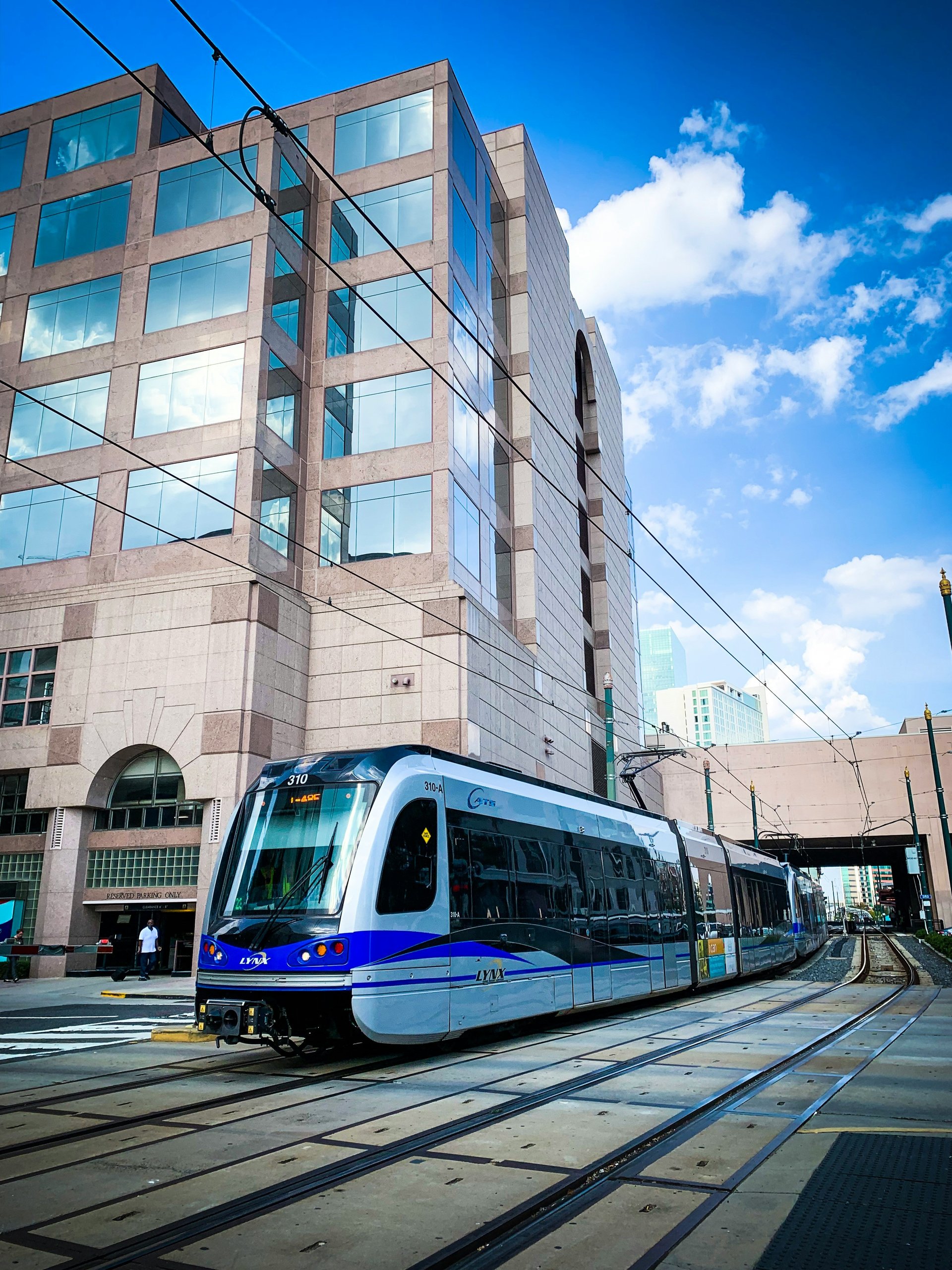
Charlotte Area Transit System (CATS) has adopted an updated Transit System Plan that goes beyond simple bus routes. It includes a rapid expansion of bus service and rail infrastructure, adding roughly 43 miles of new rail service and increasing bus coverage by 50%.
Plans involve classic projects such as the Red Line commuter rail, connecting Uptown Charlotte north toward Mooresville, and upgrades to existing lines like the Gold Line streetcar extension. Meanwhile, multimodal hubs like Charlotte Gateway Station will link Amtrak, local rail, buses, and light rail—all of which create development opportunities around transit nodes.

Road & Mobility Enhancements
Beyond transit, Charlotte’s Strategic Mobility Plan and related initiatives aim to address mounting traffic and connectivity challenges. These efforts include road improvement projects, better traffic signal timing, enhanced sidewalks and crossings, and streetscape upgrades in over 20 Strategic Investment Areas across the region.
Greenway expansion is also part of the picture. In 2025, nearly nine miles of new greenways opened, with more planned in 2026—boosting outdoor access and quality of life in growing communities near Pineville, northeast Charlotte, and beyond.
How These Improvements Affect Real Estate
1. Transit-Oriented Development (TOD) Drives Value
Properties near reliable transit—especially rail and high-frequency bus corridors—tend to see stronger demand and higher appreciation. Recent analysis suggests homes located within a quarter-mile of transit lines can experience higher value growth than more isolated areas.
2. Road Upgrades Improve Accessibility
Widened or modernized roadways reduce commute times and make suburban neighborhoods more attractive to buyers. Improved intersections, bike lanes, and sidewalks also support walkable development—an increasingly popular lifestyle choice.
3. Bus and Microtransit Expansions Help Connectivity
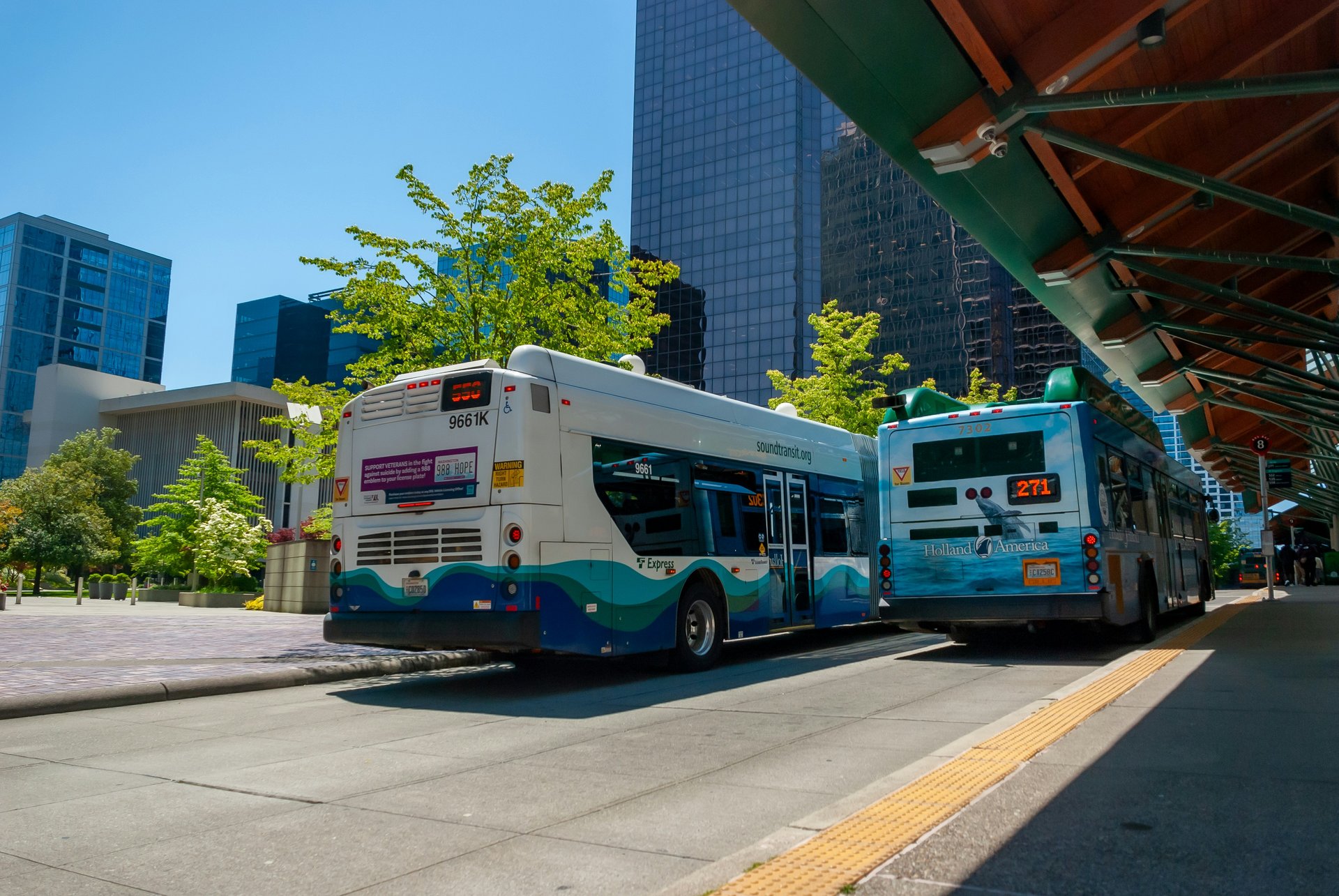
Expanded and microtransit options will serve residents who rely on transit for daily mobility. This broader coverage makes neighborhoods previously thought to be too car-dependent more accessible and livable.
Who Benefits Most?
-
Uptown, South End, and Plaza Midwood: Already desirable areas that will benefit from enhanced rail and connectivity.
-
North Meck (Huntersville, Cornelius): Rail expansion and commuter options promise improved access for northern commuters.
-
South Charlotte & Pineville: Road, greenway, and pedestrian upgrades add value for families and young professionals.
-
Matthews & Belmont areas: Longer-term rail plans could unlock new development corridors.

A Light Reflection From the Field
During a recent neighborhood tour in east Charlotte, a buyer remarked that relief from gridlock—not house size or finishes—was now their top priority. That shift mirrors a broader trend: convenience and mobility increasingly rank alongside schools and yard space in what buyers want most. Investments in Charlotte’s mobility infrastructure are responding to that demand and shaping the future of where people choose to live.
Final Thoughts
Charlotte’s infrastructure and transit plans aren’t just about moving people—they’re about moving the real estate market forward. Expanded transportation options increase accessibility, create more walkable communities, and boost investor confidence in growth corridors. As these projects move from planning to construction, Charlotte’s neighborhoods will continue evolving in exciting ways that benefit residents, businesses, and future buyers alike.